.png?width=1200&height=344&name=cover%20(5).png)

Turning a casual shopper into a loyal fan requires a strong connection. You can see it in action when customers only buy phones from one brand, or when a coffee lover sticks to one café in order to see their favourite barista or get their name on the cup. There’s more to repeated connection than just having a habit. People do it because they feel understood by a brand and appreciate the experience.
Relationship-building is what distinguishes a great business from a short-term thinking one. If you want to keep your customers, you need to go beyond discounts and loyalty points to build emotional loyalty that lasts. When you show you notice and value your customers, they stay because they care about your brand and the sense of belonging it offers.
This approach turns one-time buyers into loyal customers who help your business grow.
What Is Emotional Loyalty?
At its core, what is emotional loyalty? It is the psychological and affective attachment a customer feels toward a brand, leading them to choose that brand repeatedly, regardless of price or convenience. It’s that gut feeling that tells a person they are making the right choice because they trust the company’s character and quality.
People’s decisions are rarely as rational as we think.
This is the clash between emotional and rational decision-making:
- Rational loyalty is about the brain, like the logic of something being the best deal
- Emotional loyalty is about the heart, the feeling of the brand matching the person
Reliability is the foundation upon which this entire structure sits. You cannot have a deep emotional connection without brand trust. If a company fails to deliver on its basic promises, the emotional bridge collapses instantly. But when trust is established, the customer begins to view the brand as a partner or a friend, rather than a faceless entity trying to extract cash from their pocket.
Emotional Loyalty vs Transactional Loyalty
If your only USP is a low price, it’s easy to get outrun by a competitor. It’s a different story when you create a bond with your customers.
Transactional loyalty is essentially a bribe. You give the customer a reward, and they give you a purchase. But as soon as a competitor offers a bigger bribe, that customer is gone.
Emotional loyalty is more durable because it is resistant to external market pressures, like price hikes or supply chain hiccups. A fan will wait for a back-ordered item from a brand they love, whereas a transactional buyer will simply click on the next available link on Google.
The following table breaks down these two concepts:
|
Feature |
Transactional Loyalty |
Emotional Loyalty |
|
Primary driver |
Discounts, points, and price |
Trust, values, and experience |
|
Switching cost |
Low (whoever is the cheapest wins) |
High (emotional loss if they leave) |
|
Customer view |
Brand is a utility |
Brand is a partner or part of an identity |
|
Response to error |
Instant churn or demand for refunds |
Patience and willingness to forgive |
|
Advocacy |
Rarely recommends without incentive |
Recommends willingly |
As the table indicates, building a business on transactional loyalty is a race to the bottom.
Why Emotional Loyalty Matters More Than Ever
Your product is probably not the only one in the niche. Every day, you fight for customers’ attention with a number of competitors, and customers can compare the prices you all offer in a matter of seconds. That’s why meaningful connections are your survival strategy.
Emotional loyalty increases retention because it removes the friction of the search process. When people are emotionally invested, they stop looking for alternatives altogether.
Reducing churn is the most direct path to sustainable profitability. By fostering an emotional bond, you plug the leaks in your revenue bucket.
Lifetime value is the ultimate prize for brands that prioritise feelings. When a customer stays with you for years rather than months, their lifetime value (LTV) skyrockets.
What Drives Emotional Loyalty in Customers?
Authentic engagement starts with understanding the human needs behind every transaction. It isn't enough to just have a good product anymore.
There are four main pillars that drive this connection.
1. Trust and Consistency
Doing what you say you will do builds the confidence required for a long-term bond. Reliability builds confidence, and this eventually matures into loyalty.
To earn trust:
- Deliver high-quality products every single time
- Keep communication honest, even when things go wrong
- Ensure the brand voice stays stable across all platforms
2. Positive Customer Experiences
When you go beyond basic expectations, you create memorable moments. Your extra effort sticks in a person’s mind.
Taking care of customer experience can take various forms, such as:
- Surprising customers with unexpected small gifts
- Empowering support staff to solve problems creatively
- Streamlining the checkout process to respect their time
3. Shared Values and Brand Identity
People use brands to show the world who they are, so they’re naturally attracted to the brands that share their belief systems. If you support women’s rights or conspicuous consumption, you’ll captivate customers who care about these causes too.
Here’s how to communicate your values and appeal to like-minded customers:
- Be vocal about your company’s core mission
- Support causes that resonate with your specific niche
- Create content that reflects the lifestyle of your fans
4. Recognition and Reward
When you recognise a customer, they feel like a real person, not just a number.
To make your customers feel valued,
- Celebrate anniversaries of when they first joined
- Give early access to new releases as a thank you
- Use their name and purchase history to tailor interactions
How to Build Emotional Loyalty
Empathy is the key to turning occasional buyers into loyal fans. You need to build an emotional connection at every step of the customer journey.
This requires a shift in emotional loyalty marketing toward more human-centric tactics.
1. Create Memorable Customer Moments
Instead of simply getting the job done, your goal is to create interactions that make customers happy.
You allow recognition by:
- Investing in premium packaging that feels like a gift
- Including insider information or tips with the order
- Creating interactive social media experiences
2. Personalise the Experience
Treating every customer like an individual proves that you are actually paying attention. Use data to make life easier for them, not just to sell them more stuff.
Customers feel that the message is specifically for them when you:
- Send product recommendations based on actual past needs
- Remember their preferences, like size or favourite colour
- Tailor email subject lines to reflect their interests
3. Encourage Advocacy and Referrals
Letting fans share their stories or recommend you to others makes them feel even more connected to your brand. When someone tells a friend about you, it deepens their loyalty.
The effective ways of driving advocacy include:
- Creating a referral programme that rewards both parties
- Featuring customer stories and photos on your website
- Building a community forum or group for your top fans
4. Reward Loyalty Meaningfully
Offer benefits that truly improve your customers’ lives, not just small discounts. Often, experiences mean more than money.
Such rewards come in various shapes and forms, such as:
- Member-only events and webinars
- A vote on future product colours or designs
- Free concierge-style support for top-tier members
Examples of Emotional Loyalty in Action
Now, to inspire your strategy, let’s look at some examples of brands that have mastered connection-building.
Patagonia is the most obvious example of a brand that builds on value alignment. They used a message in a Black Friday ad to promote sustainability, rather than directly pushing its products.
|
|
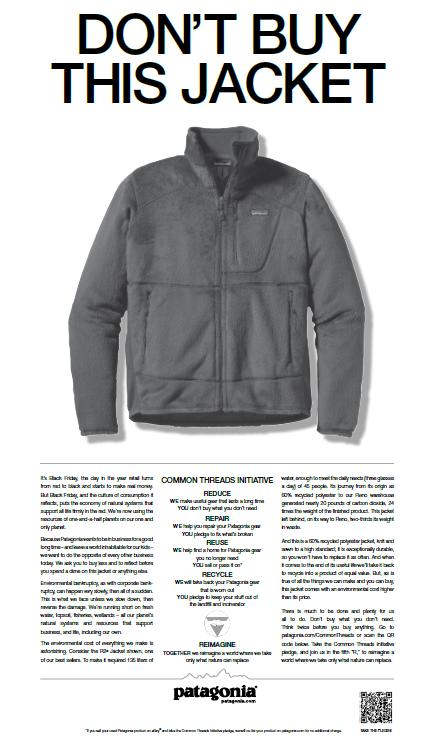
The dedication to environmental causes, shared by their fans, makes brand choice a statement of customers’ personal ethics.
Chewy, the pet supply retailer, builds emotional loyalty through empathy. They are known for sending hand-painted portraits of pets to their customers or sending flowers when they learn a customer's pet has passed away.
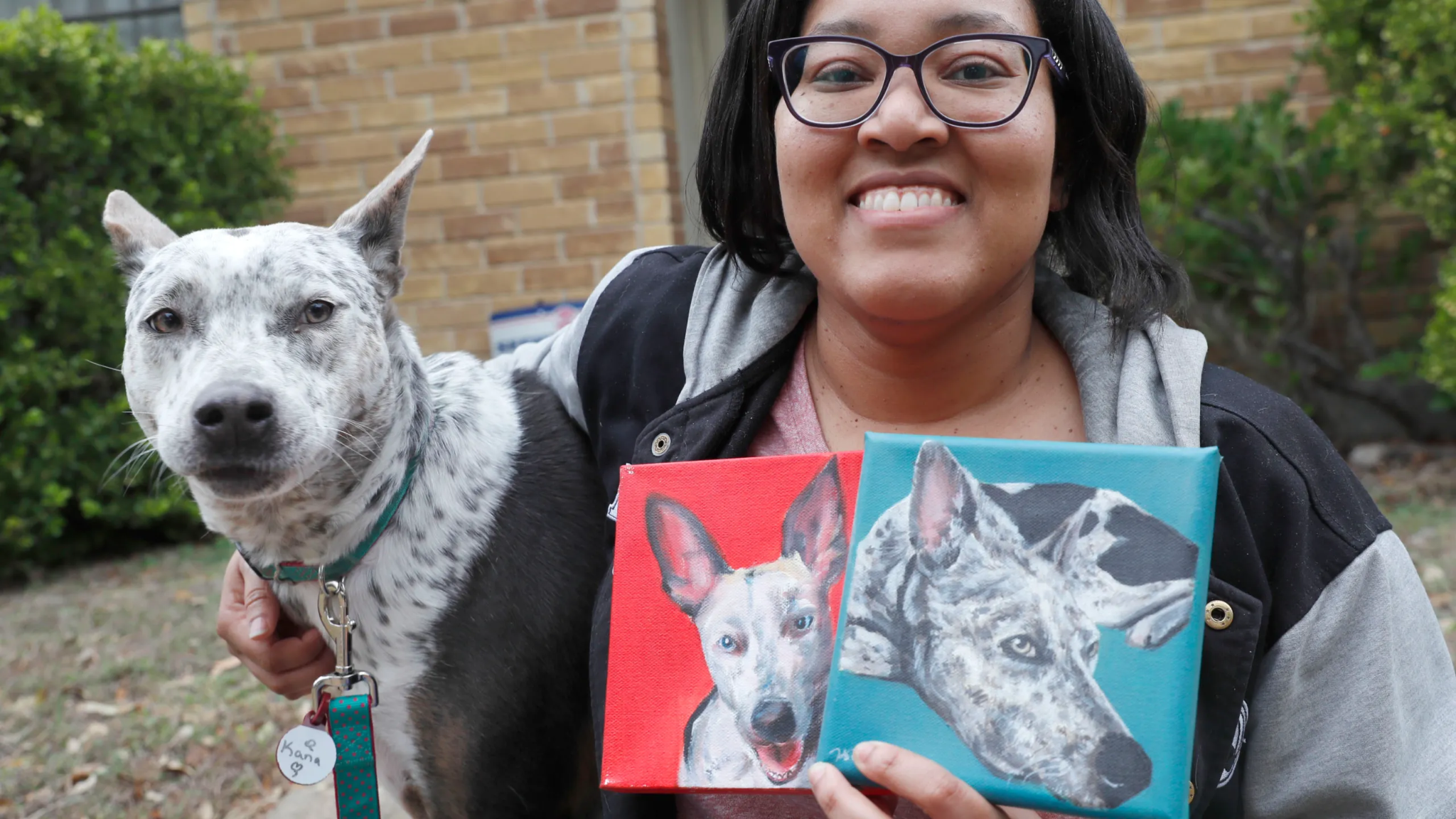
These gestures have nothing to do with selling more kibble in the short term, but they create a lifelong bond that makes it hard for the customer to shop anywhere else.
What We’ve Learned
Prioritising the human element of commerce is the only way to build a brand that lasts. While spreadsheets might tell you to cut costs and maximise every single transaction, the long-term data shows that emotional loyalty is the real engine of growth, as it:
- Protects you from competitors
- Builds a community of advocates
- Ensures that your business has a soul that people want to support
Stop looking at your customers as users or conversions. Start looking at them as people with values, fears, and desires. When you show up for them in a way that is consistent, honest, and personal, they will show up for you. That is how you turn a one-time buyer into a fan who comes back again and again.
FAQ
What is emotional loyalty?
Emotional loyalty represents a deep connection between a client and the brand. It places an emphasis on elements such as trust, common values, and positive experience, making it more difficult for a client to leave and go elsewhere for services.
What is the difference between transactional loyalty vs emotional loyalty?
We talk about transactional loyalty when a brand communicates practical reasons for buying, like price, convenience, or rewards. Because of this focus, customers are eager to switch to a different brand for a more appealing offer. Emotional loyalty is built on trust and brand identity, which in turn makes customers loyal.
How do you build emotional loyalty?
You can build emotional loyalty by focusing on your relationship with customers by personalising their experience, openly sharing your brand values, and creating memorable moments. It also stems from meaningful rewards, such as early access to new arrivals or community involvement.
Why is emotional loyalty important?
Emotionally loyal clients are more likely to buy more, tolerate any changes made, and recommend the company to other clients. Such factors will help a company maintain itself and develop properly in the current competitive environment.
How do you measure emotional loyalty if it’s based on feelings?
In this case, measuring loyalty can be done through sentiment analysis and engagement rates. While the rational type relies on frequent purchases, the emotional one can be measured with social listening and NPS surveys to track the customer's connection to the brand based not on the pricing policy but its personality and qualities.
Are loyalty points and discounts still useful in 2026?
Yes, although they are no more than a foundation upon which the brand needs to build its relationship with the customer. As the rational type of loyalty created with discounts affects the brain, another company may outrank your business by offering lower pricing. Emotional loyalty is a way out here.
Dan Barraclough
Read more >
Share:




-1.png)
Table of contents
Share: