

.png?width=1200&height=344&name=cover%20(4).png)

Instagram influencer marketing is the practice of partnering with Instagram creators to promote your products or services. Instead of interrupting people with ads, you show up in Reels, Stories, carousels, and posts they’ve chosen to follow. Creators put your brand into everyday routines, recommendations, and reviews, exactly when their followers are looking for inspiration or advice.
What is Instagram influencer marketing and why does it work?
Instagram influencer marketing means teaming up with creators who already have an audience that trusts them, and whose followers match your ideal customers.
Instagram is built for this kind of storytelling. Its visual-first, creator-driven formats — like Reels, Stories, and carousels — make it easy to showcase products in action and fit them naturally into everyday moments.
For brands and ecommerce businesses, authenticity pays off. Partnering with influencers helps your products show up naturally, when people are discovering, saving, and shopping. This helps turn casual Instagram scrolling into connections and conversions.
Benefits and drawbacks of Instagram influencer marketing
Used well, Instagram influencer marketing can be one of your highest‑performing channels. Used badly, it can burn time and budget.
Key benefits of Instagram influencer marketing
- Built‑in trust. Followers treat creator recommendations more like advice from a friend than an ad, which can lift conversion and brand sentiment.
- High engagement. Micro and nano creators often deliver 2–3x higher engagement than brand content or paid socials in the same feed.
- Constant content. Creator posts, Reels, and Stories become a pipeline of UGC you can reuse in ads, landing pages, email, and onsite social proof.
- Customer insight. Comments and DMs around creator content reveal new angles, objections, and use cases you can feed into product and marketing.
- Better customers. People who discover you through Instagram influencer marketing and referrals often spend more and return more often than cold paid traffic.
Example: A sustainable athleisure brand partners with 40 micro-influencers in the wellness sector. These creators share daily routine stories, post "how-to-style" videos, and highlight behind-the-scenes brand efforts. The resulting boost is immediate: acquisition costs drop, first-purchase size grows, and the content library explodes with beautiful, trusted assets for retargeting.
Drawbacks and risks to watch
- Audience mismatch. If the creator’s followers don’t overlap with your real buyers, even high engagement won’t turn into revenue.
- Vanity metrics. Likes and views are easy to screenshot but don’t always correlate with sales or LTV.
- Brand risk. Poorly vetted creators can post off‑brand, non‑compliant, or controversial content.
- Operational overhead. Sourcing, briefing, and tracking dozens of creators manually is slow and error‑prone without a proper process or influencer marketing platform.
Example: A supplement company selected several celebrity fitness influencers, but found minimal lift in sales and negative comments (“too commercial!”) on posts. After pivoting to everyday micro-influencers whose audiences matched real shoppers, results improved sharply.
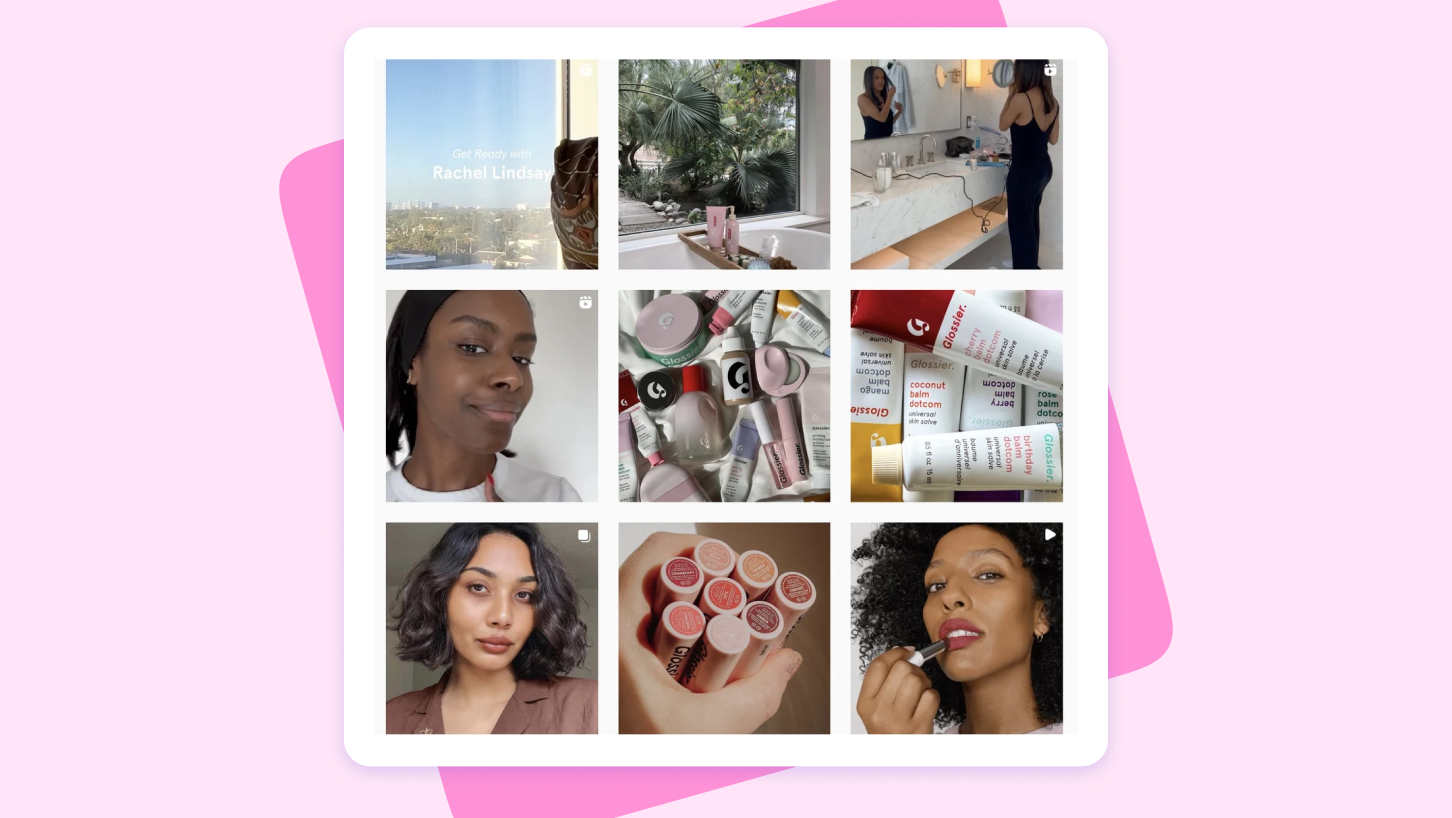
Balancing these benefits and drawbacks is at the core of good Instagram influencer marketing strategies – choose creators carefully, set clear expectations, and measure what matters.
Instagram influencer types and pricing
Instagram influencer marketing isn’t one‑size‑fits‑all. Different creator tiers play varying roles in your funnel.
Nano, micro and macro influencers on Instagram
Every influencer tier delivers campaign value in different ways. Micro-influencers have fewer but often more loyal followers, while macro and celebrity influencers offer extensive reach but can be less relatable or cost-effective for performance marketing.
You are welcome to refer to the following tiers and pricing, yet bear in mind that they are purely indicative and market-dependent.
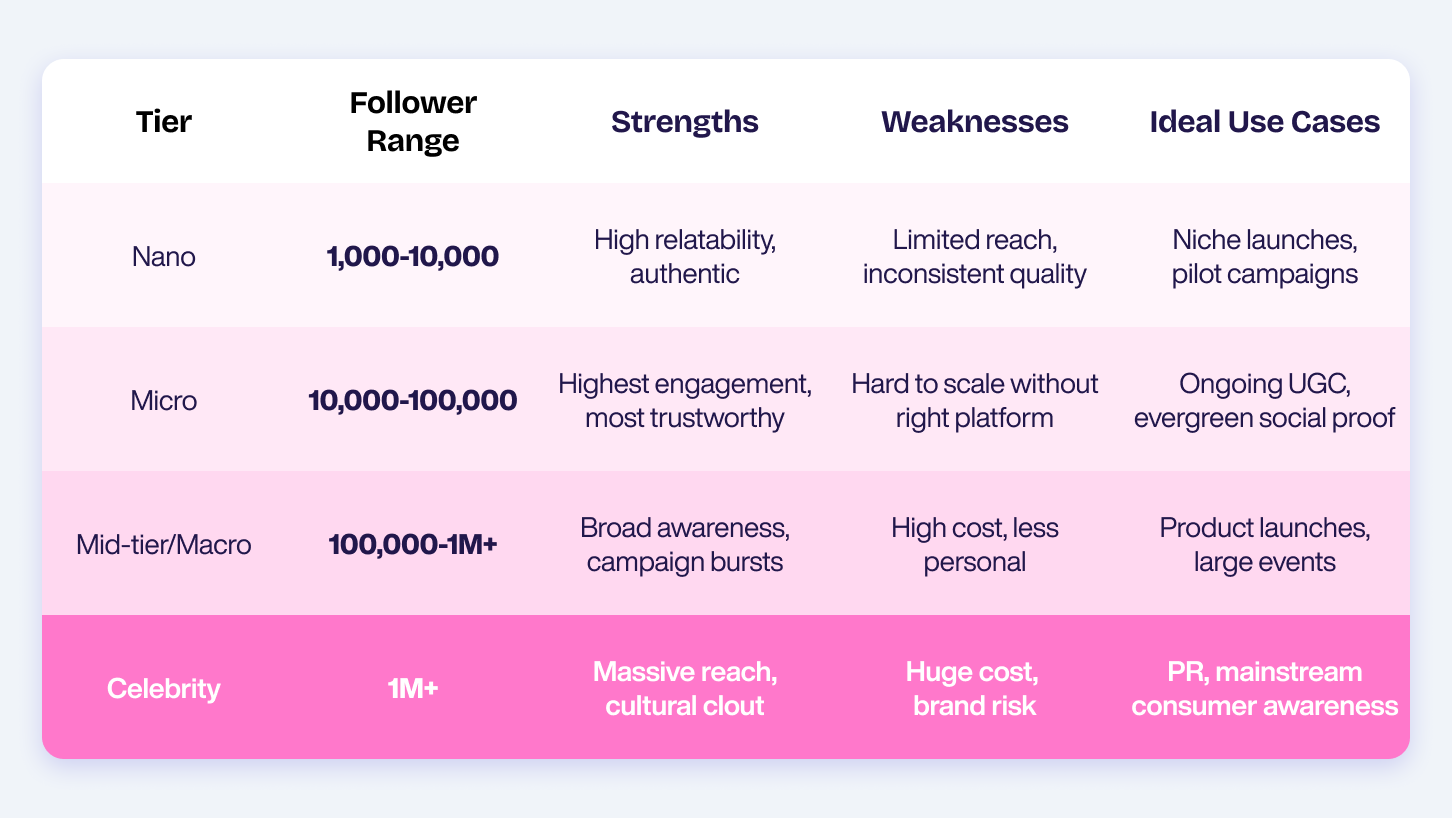
Many brands now treat micro influencers as the backbone of their Instagram influencer marketing programme, with occasional macro or celebrity moments layered on top.
What does Instagram influencer marketing cost?
There’s no single rate card for Instagram influencer marketing costs, but a few factors drive pricing:
- Creator tier (nano, micro or macro)
- Format (Story, post, Reel, carousel, Live)
- Usage rights (can you reuse content in your own ads?)
- Whitelisting / partnership ads (running content through the creator’s handle)
- Exclusivity (are they blocked from promoting competitors for a period?)
Indicative Instagram influencer marketing costs:
- Nano influencers: ~£50–£250 per post, often happy with gifted products
- Micro influencers: ~£250–£1,500 per post, £500–£2,500 per Reel
- Macro influencers: ~£2,500–£25,000+ per post or package
- Celebrity influencers: £25,000–£250,000+ per campaign
Treat these as starting points; rates will vary by niche, country, season, and negotiation.
What’s the average ROI of Instagram influencer marketing?
Instagram influencer marketing costs depend mainly on who you work with and what you ask them to do. The biggest drivers are the creator tier (nano, micro and macro), the format (single post, multi‑frame carousel, Reel, Story set), whether you’re buying usage rights to reuse the content, whether you’ll run it as a whitelisted/partnership ad, and any exclusivity window that stops them from also promoting competitors.
Across industries, Instagram influencer marketing is often cited at around £6.50 ROI for every £1 spent, with the top programmes reporting £20+ per £1 when they combine creators with strong products and clear tracking.
But the real upside often shows up in:
- Higher LTV from influencer‑led cohorts
- Better referral and word‑of‑mouth
- Stronger brand search and direct traffic
To understand your own performance, move past screenshots and track:
- Unique codes and UTMs
- Landing pages and signup flows tied to creators
- Control groups/geo- or time‑based holdouts
If you want to go deeper, our guide on influencer marketing analytics explains how to structure tests that show true lift, not just last‑click credit.
Instagram content formats for influencer campaigns
A big part of Instagram influencer marketing is choosing the right mix of content formats for your goals.
Common choices:
- Reels. Short vertical video, pushed heavily by the algorithm. Great for reach, storytelling, and product demos in motion.
- Stories. Ephemeral content with polls, Q&A, and link stickers – perfect for limited‑time offers, “behind the scenes,” and quick CTAs.
- Feed posts. Single images or videos that live on the grid. Good for hero creatives and longer captions.
- Carousels. Multi‑image posts are ideal for step‑by‑step usage, before/after, or multiple product angles.
- Collab posts. Shared between brand and creator accounts, combining audiences and adding credibility.
- Live. Real‑time Q&A, tutorials, or launches for deeper engagement.
Instagram’s branded content and partnership ad tools also let you turn high‑performing influencer content into paid media, keeping the creator handle while you control targeting and spend. That’s where Instagram influencers' advertising starts to look more like performance marketing than just PR.
Types of Instagram influencer marketing campaigns
An Instagram influencer marketing programme usually combines several campaign types rather than relying on one format alone.
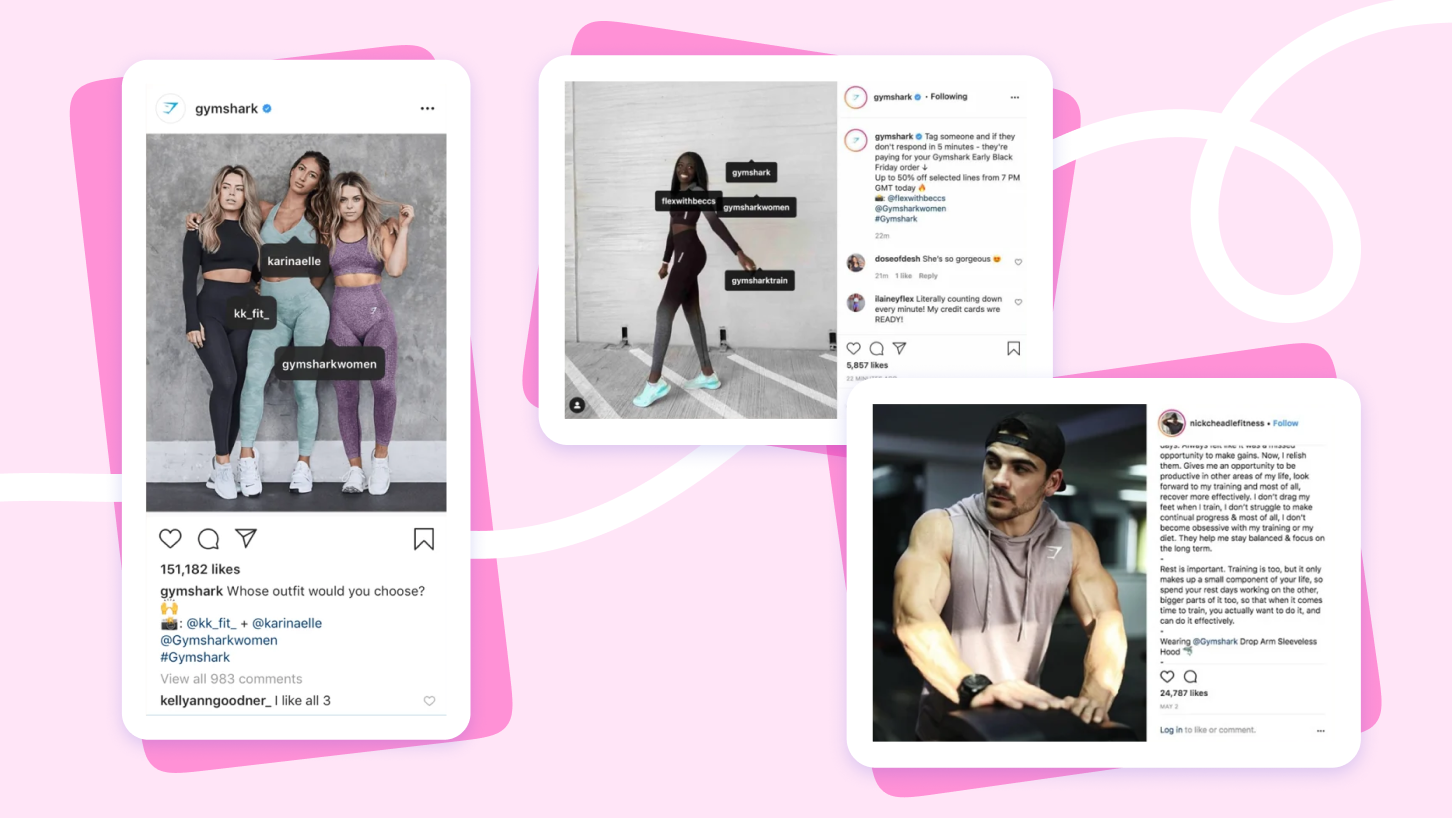
Sponsored posts and Reels
You pay creators to feature your product in their content on agreed dates. This is the classic marketing through Instagram influencers and works well for launches, promos, or key retail moments – especially when paired with trackable links or codes.
Product seeding and gifting
You send products to carefully chosen creators with no strict posting requirement. Done well, this creates a wave of authentic coverage as people share what they genuinely like – particularly effective with nano and micro creators.
Affiliate/commission campaigns
Creators earn a cut of every sale they drive via unique links or codes. This aligns incentives and can make Instagram influencer marketing for ecommerce more sustainable, especially when margins are tight.
Ambassador programmes
You formalise long‑term relationships with a smaller group of creators who post regularly, give feedback, and often connect with your internal teams. Ambassadors are the backbone of many of the best Instagram influencer marketing strategies because they compound trust over time.
Instagram influencer marketing examples
Some quick, simplified examples of Instagram influencer marketing examples in action:
- Beauty brand + micro creators. A skincare brand partners with 50 micro creators to share honest before/after Reels and morning routines. They repurpose the best clips into partnership ads, lowering CPA vs their standard prospecting ads.
- Food brand product seeding. A snack company sends new flavours to nutrition and fitness creators with no posting requirement. Enough of them share authentic reactions that the brand sees a spike in branded search and repeat purchases.
- Fashion ambassador squad. A DTC fashion label turns its most engaged customers into a small ambassador group, mixing IG posts, Stories and affiliate links. These ambassadors become the brand’s most efficient acquisition channel over 6–12 months.
Done well, Instagram and influencer marketing work as a loop: creators bring in new customers, who then become advocates and sometimes creators themselves.
How to build an Instagram influencer marketing strategy
A solid Instagram influencer marketing strategy keeps you out of “random acts of gifting” and focuses on repeatable results.
1. Set clear goals
Decide what success looks like:
- New customer acquisition
- Higher AOV or LTV
- More UGC for ads and landing pages
- Stronger presence in a specific niche or geography
Your goals will drive which creators, formats, and campaign types make sense.
2. Define your ideal creators
Build a simple profile:
- Audience location, age, interests
- Content style and values
- Typical engagement and comment quality
You can use spreadsheets, internal data, or a dedicated Instagram influencer marketing platform to shortlist relevant creators.
For a broader overview of the channel, explore what influencer marketing is.
3. Shortlist and vet creators
Look beyond follower count:
- Engagement rate and comment quality
- Past brand partnerships and disclosure habits
- Any brand‑risk red flags
This is where many teams lean on an AI-powered influencer marketing platform or structured vetting process to save time.
4. Create clear but flexible briefs
A good brief covers:
- Objective and key messages
- Do’s and don’ts (claims, compliance, brand safety)
- Formats (Reels, Stories, posts, carousels)
- Deadlines and approval process
Leave room for creator voice; the most effective IG influencer marketing feels native, not like a copied brand ad.
5. Track, test, and optimise
Use a mix of:
- Codes and UTMs
- Unique landing pages
- Control groups
Then compare results across creators, formats, and campaigns rather than one‑off posts. Our guide on influencer marketing ROI can help you design smarter tests.
Instagram influencer marketing tools and platforms
To run Instagram influencer marketing at scale, most teams use some mix of:
- Discovery tools – to find and vet creators by audience, content, and performance.
- Workflow tools – for outreach, briefing, approvals, and contracts.
- Tracking and analytics – to connect posts with clicks, conversions, and LTV.
- Campaign management platforms – to keep everything in one place, from seeding to payments.
An integrated influencer marketing platform like Mention Me Influencer connects these pieces, while tying performance to your customer and revenue data, so Instagram influencer marketing is easier to compare with other channels.
Growing your Instagram influencer marketing programme
Once the basics are working, the challenge is scaling Instagram influencer marketing without drowning in admin.
Next steps that will pay off:
- Segment your creator base. Ambassadors, high‑performing micro creators, and “test” creators all need different briefs and cadences.
- Automate where it makes sense. Use tools for code generation, payments, reminders, and reporting so the team can focus on strategy and relationships.
- Share data with creators. Show partners what’s working (and what’s not) so they can adjust content and lean into winning themes.
- Feed learning into other channels. Top‑performing hooks and angles from creators often become your best ad copy, email subject lines, or onsite messages.
When Instagram influencer marketing tools are connected to your first‑party data, you can see which creators bring in the most valuable customers, not just the most clicks. That’s where Mention Me focuses: tying creator activity to real customers, revenue, and referral impact.
Final thoughts and FAQs
For many brands, Instagram influencer marketing sits alongside paid social, email, and referral as a core acquisition and retention channel.
With clear goals, the right creator mix, and a data‑first approach to measurement, Instagram influencer marketing for ecommerce can deliver both immediate revenue and long‑term brand equity.
If you’d like to explore how Mention Me can help connect your creator activity to real customers and referrals, you can request a walkthrough of our Instagram influencer marketing platform.
FAQs
How many Instagram influencers should I start with?
Most brands see stable patterns by working with 20–50 micro influencers to start. That’s enough volume to test without overwhelming your team.
How long until Instagram influencer marketing shows results?
Awareness and traffic can spike within days of going live. Clear trends in LTV, repeat purchase, and advocacy usually take 2–3 months of consistent activity.
What’s the best way to attribute Instagram influencer marketing?
Combine codes, UTMs, custom landing pages, and holdout tests. Relying on one method alone (for example, discount codes) will under‑count impact.
Do I need an Instagram influencer marketing agency?
Some brands use an Instagram influencer marketing agency for creatives and relationships; others prefer an in‑house team supported by an influencer marketing platform. The right choice depends on your resourcing, budgets, and the degree to which creators are central to your strategy.
What is the best Instagram influencer marketing strategy for ecommerce brands?
For most ecommerce brands, the strongest approach blends together:
- Always‑on micro creators for UGC and conversions
- A small ambassador group for depth and brand storytelling
- Occasional “moment” campaigns with larger creators all measured against revenue, LTV, and referral impact — not just reach.
Dan Barraclough
Read more >
Share:




Share:

.png)
.png)