



Stop treating influencer marketing like a vanity project.
If you care about profit, it’s time to ditch those clunky, scraped databases that everyone else is still using. They’re burning through your budget and rarely deliver more than a few empty likes.
Real growth now comes from owning your data and turning the customers who already love your brand into your own sales team. And for that, influencer discovery tools come in handy.
Where Did Your Influencer Data Actually Come From?
Traditional influencer discovery platforms often rely on a process of collecting public profile data across social media channels, so-called web scraping. It gives you plenty of names, but it’s usually pretty shallow and not result-oriented.
The problem is that scraped data goes out of date fast, is full of bot accounts, and, most importantly, has zero connection to your actual customers.
By contrast,using first-party data influencer marketing lets you find creators who are already part of your community and who genuinely use and advocate for your products.
What Are Influencer Discovery Tools?
Think of an influencer discovery platform as the command center for your partnerships.
Here’s what it does:
|
Focus |
What It Does |
|
Discovery |
Finds creators who actually fit your brand |
|
Vetting |
Confirms real engagement |
|
Management |
Tracks every conversation and partnership phase |
|
Results |
Shows exactly how campaigns are performing |
Influencer discovery tools streamline manual work, like:
- Finding the right people
- Keeping track of your messages
- Making sure you actually know how your campaigns are performing
7 Ways First-Party Influencer Discovery Tools Beat Scraped Databases
Third-party influencer databases are a mess. They’re almost always outdated, and the engagement numbers are usually just guesses.
When you use your own customer data instead, you break this cycle. You’re finding people based on real results, which makes it way easier to build partnerships that lead to sales.
1. Influencer Data You Can Trust
When you switch to influencer discovery tools and your own customer data, you start partnering with people who actually know and love your brand.
You’ll quickly notice the benefits of your new approach, including:
- Verified accuracy
- Genuine brand alignment
- Privacy-safe compliance
- Direct performance tracking
- Real-time customer insights
2. Metrics That Matter
Scraped platforms often focus on vanity metrics, such as likes and views, that rarely correlate to business results.
By using influencer marketing data derived from your own ecosystem, you can track metrics that actually matter, such as:
- Conversion rates
- Lifetime value (LTV)
- Real-time ROI
3. Finding Your True Fans
Your best influencers are usually hiding in plain sight.

Influencer database tools allow you to spot customers who are already buying from and recommending you, turning them into authentic brand ambassadors who are already invested in your success.
Look for:
- The Loyalists (people who’ve bought from you three or more times this year)
- The High-LTV Engagers (customers who always open your emails and engage)
- The Socials (people with 1k–10k followers who are already tagging you)
4. Tapping Into Micro-Influencers
While big names get you reach, smaller creators, specifically micro and nano-influencers, are better for engagement and trust-building. Micro-influencers feel like a friend giving a recommendation rather than an advert.
Influencer search tools help you find these niche creators who match your customer profiles.
5. Keeping Your Data Fresh
Scraped data goes out of date the second it’s collected. First-party data tools are "living" databases. They update automatically whenever someone interacts with your site, app, or emails. You’re always working with what’s happening now.
6. Staying on the Right Side of Privacy
Privacy laws are getting stricter, and relying on scraped data is becoming a bit of a legal liability. Using your own data, collected by influencer discovery tools, where people have actually given consent, is a much safer, future-proof way to handle standards like GDPR.
7. Getting More for Your Money
Relevance always beats raw reach.
When you use influencer discovery software to partner with people who already love your brand, you’ll see:
- Reduced acquisition costs
- Increased conversion rates
- Sustainable growth
It’s about building long-term relationships that drive business growth.
How To Use First-Party Data to Discover Influencers
When you stop relying on massive external databases and start looking at your own data, it’s much easier to find people who genuinely care about your products.
But how do this strategy and Influencer discovery tools work in practice?
Turning Customers Into Influencers
Your most valuable influencer is often the customer who makes repeated purchases and follows your brand.
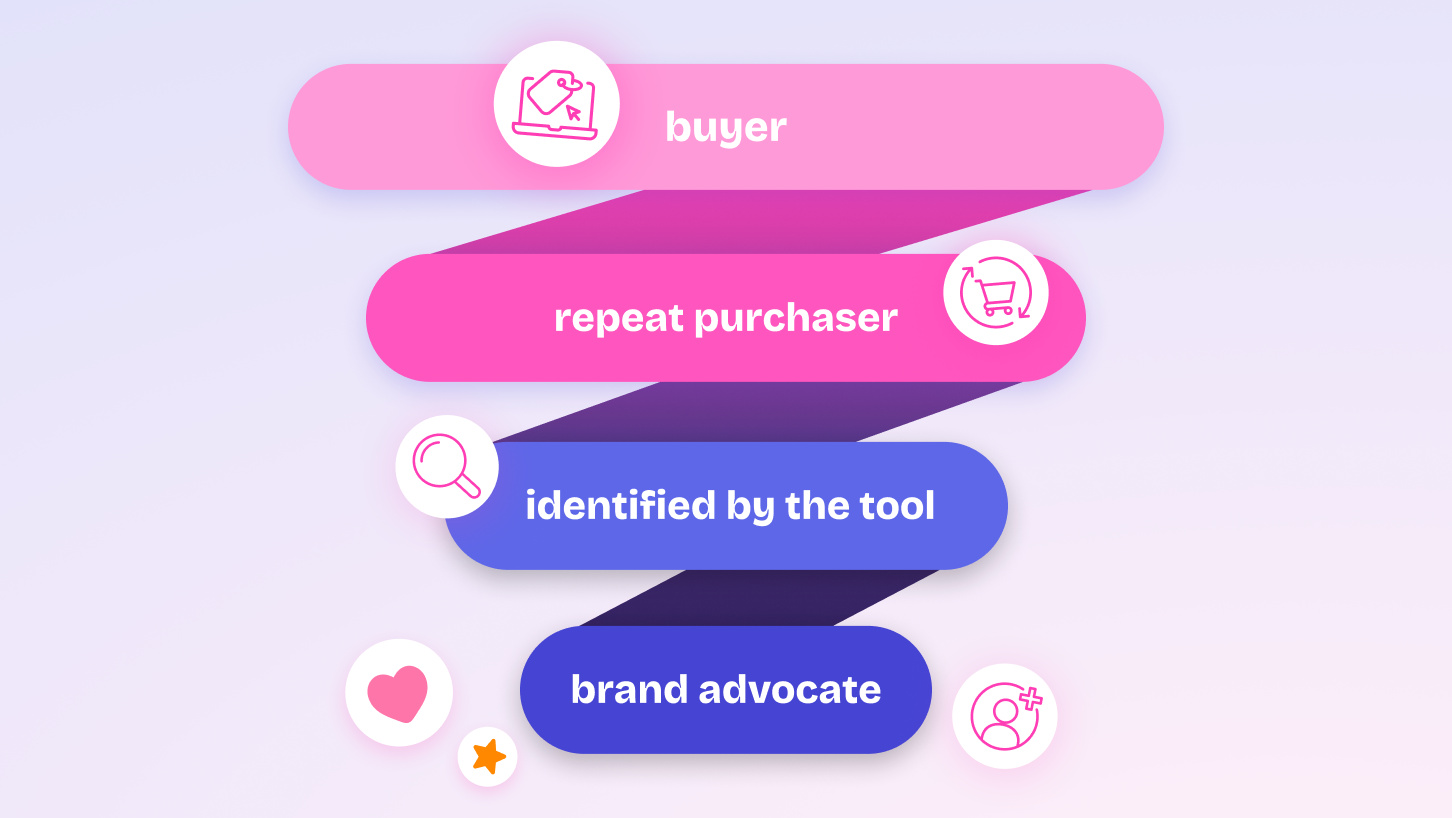
To use this asset:
- Connect customer emails with social media handles
- Look for customers interacting across your website, email, and social channels
- Reach out to these loyalists for authentic, brand-aligned collaborations
Discovering High-Impact Micro-Influencers
Micro-influencers, typically having 1k–15k followers, outperform larger creators for several reasons:
- Their audience trusts them because they view them as peers rather than celebrities
- They consistently see higher conversion rates relative to their size
- Their content is highly focused, reaching specific demographics perfectly suited for your brand
What to Look for in an Influencer Discovery Tool?
Before you choose the proper tool, make an influencer marketing platform comparison. Avoid software that relies solely on external data. Prioritise influencer discovery platforms that ease and guide your decision-making process
Transparent Data Sources
Make sure you can plug in your own CRM. You need to see exactly where your leads are coming from without any guesswork.
Performance-Driven Insights
Find an influencer marketing tool that links to your till or site. It’s the only way to see if an influencer is actually making you money or just getting likes.
Privacy-Safe Data Collection
Double-check whether the influencer discovery software of your choice handles consent properly. You don't want to mess around with customer data or end up with a DIY privacy process.
The Future of Influencer Discovery: Privacy-First Data
The transition toward first-party influencer marketing data stems from these trends:
|
2026 Market Trend |
Data Reality |
|
Social Search |
41% of Gen Z use social apps as their main search engine over Google |
|
The Human Touch |
73% of people will switch to a competitor if your brand feels robotic |
|
Peer Trust |
52% of Gen Z trust a regular person’s post more than an AI chatbot |
|
AI Overload |
90% of online content is projected to be AI-made, making real humans a rarity |
|
Micro-Creators |
Small influencers cost 60-70% less and get way better engagement |
|
Storytelling |
80% of marketers use AI for the grunt work |
People are already over mass-scale spam. What they’re looking for is community.
Since AI-generated content is flooding everyone’s feeds, real human trust is the most valuable asset. And when you use a proper influencer discovery platform, your brand stays human.
Conclusion
Web scraping for influencers is over. To stay competitive, you need influencer discovery tools that use first-party data to show how people actually behave.
Look at your own customers first to find the people who already love your brand. When you're weighing up different tools, ignore vanity metrics and focus on what drives growth.
The ultimate goal is to build a strategy that lasts, rather than focusing on follower counts that don't help your bottom line. And influencer discovery platforms will get you there. The question is: which tool suits your needs best?
Dan Barraclough
Read more >
Share:





Share:

.png)
.png)