


Influencer marketing will continue to boom in 2026, but so will the risks. Fraud, inflated metrics, AI-generated profiles and historic controversies are now standard hazards for marketers.
That’s why influencer marketing due diligence is a necessity - no longer a box to tick, but a fundamental process for any brand investing in partnerships, especially where reputation or regulations matter.
What’s involved in proper due diligence? How can you sniff out fake followers, misleading engagement, or undisclosed scandals? Which influencer analytics tools let you check the real numbers before you sign?
In this guide, you’ll learn what influencer marketing due diligence should look like, the metrics and signals that count, today’s leading verification tools, and a step-by-step process your team can put into action.
What is influencer marketing due diligence and why does it matter now?
Influencer marketing due diligence means thoroughly checking an influencer’s authenticity, audience quality, behavioural history, and brand alignment before partnering. It’s more than just a glance at their latest posts.
True due diligence involves verifying followers and engagement, reviewing historical behaviour, and ensuring compliance with advertising regulations.
You can split the process into two approaches. There’s basic vetting: quick platform checks for anomalies or obvious red flags. Then there’s formal due diligence. Here, you layer in structured audits, reputational reviews, and compliance checks, often with legal or risk team involvement. Kroll’s latest data shows that roughly one in four influencers presents significant risk if not properly reviewed.
Regulation and public backlash are only increasing. Industries dealing in finance, health, or any that attract media scrutiny need to treat influencer vetting like client onboarding: systematic, documented and not left to gut feel.
Many marketers are combining due diligence with data-led campaigns. However, learning about social marketing best practices, especially Instagram influencer marketing, can protect you and your brand.
Top 10 influencer vetting tools to check the right stats
It’s no longer enough to simply 'like' an influencer’s profile - reliable verification needs the right influencer vetting tools. Here’s a look at trusted options and how they help detect fraud, fake engagement, and reputational risks.
1. Mention Me Influencer
Mention Me Influencer reduces influencer management effort by 82% compared to agency or internal teams. How? It prioritises human-first advocacy and community building, instantly revealing and vetting brand-fit creators in your CRM - in minutes, not weeks.
With this AI approach, there’s virtually zero risk of bots or AI fakes. For those wary of artificial hype and searching for authentic engagement, Mention Me provides a safer, more human-centric solution.
How does it work? Mention Me’s AI instantly identifies real customers who love your brand and have genuine influence, recommending whether they’re worth activating.
The AI model is trained specifically for your brand to vet and recommend the most relevant creators in minutes, not days. No more DM roulette. No more Excel sheets. Just high-fit micro-influencers, surfaced fast.
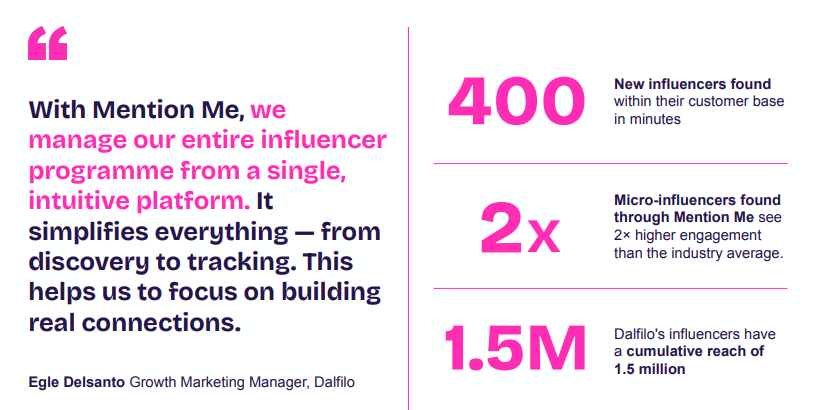
In a matter of minutes, Italian retailer Dalfilo found 400 brand-fit creators, delivering 2x the average industry engagement rate, using Mention Me Influencer.
2. Influencity
Known for advanced audience breakdowns and credible engagement metrics. Influencity offers strong analytics for global teams and powerful filters for checking authenticity. Its influencer analytics tools let you drill down into real vs. fake audiences, making it ideal for due diligence.
3. IZEA
Another stalwart, IZEA brings robust fraud detection and historical engagement analytics. The platform flags suspicious spikes in followers and engagement, helping marketers avoid getting duped by artificially-inflated stats.
4. Kroll Influencer Vetting Services
This is the due diligence toolkit for high-stakes or enterprise influencer marketing. Kroll screens for reputational and background risk, including past scandals, legal issues, or financial problems. It’s corporate-level checking for campaigns where headlines or investor confidence are at stake.
5. SoSquared
SoSquared excels at deep social listening and influencer background checks. It trawls historic social posts for hate speech, political sensitivities, and controversy, arming brands with reputational intelligence before problems erupt.
6. HypeAuditor
One of the most-used influencer stats verification tools. HypeAuditor provides detailed analysis of follower authenticity, fraud patterns, and audience overlaps. It robustly detects fake followers, bots, and dodgy engagement pods, making it one of the top platforms for influencer marketing due diligence.
7. Modash
Want to see geographic or demographic fit? Modash breaks down influencer audiences by location, interests and traits to make sure your ideal customer profile matches. Excellent for precision campaigns.
8. CreatorIQ Safety Tools
Trusted by enterprises, CreatorIQ includes brand suitability tools and a robust history of influencer tagging. It’s a reliable influencer engagement rate tool, flagging risky trends or inappropriate campaign history across multiple platforms.
9. Meegle
Meegle detects engagement pods and bot traffic, offering granular scoring on audience health. It’s a fantastic second-layer validator for brands seeking to double-check influencer analytics findings.
10. Tagger (Sprout Social)
Tagger delivers global influencer discovery, alerting brands to potential reputation risks across many markets. Its strong alerting system and multi-channel support make it a top pick for brands on a global influencer scale.
The risks you're avoiding with influencer marketing due diligence
Why put in all this effort to retain customer trust in your brand? Well, the rewards are priceless - here’s what you’re guarding against:
- Fake followers and inflated engagement: These drain your budget and mislead your ROI calculations.
- Past problematic content: Hate speech, discrimination or even just tone-deaf posts can trigger reputational, legal or regulatory blowback.
- Undisclosed sponsorships/non-compliance: Regulatory penalties and media damage await brands not checking advertising transparency.
- Misaligned values: Brands promoting 'sustainability and inclusion' can face huge backlash if an influencer’s past contradicts this image.
- Hidden financial or criminal red flags: Particularly in luxury, finance or health, missing these can jeopardise your campaign and corporate reputation.
You no longer have to rely on guesswork or manual checks. Modern analytics tools and due diligence services make this process systematic and reliable. For more on discerning real influence, understanding word-of-mouth marketing will help you see what genuine engagement looks like in practice.
Core elements of influencer marketing due diligence
Due diligence is a checklist beyond basic likes and followers. As the top influencer marketing due diligence platforms above have shown you, there are many aspects to consider. To retain customer trust in 2026, you must review:
1. Audience and engagement quality
Look for suspicious spikes in followers, like-to-comment ratios that don’t add up, and low-quality comment patterns. Your influencer fake followers check should be thorough and continuous.
2. Content and brand fit audit
Check the tone, topic themes and past content for clashes with your brand’s messaging or sensitive areas. Do their values genuinely align with yours?
3. Reputational and background checks
Search for news mentions or controversies. This includes lawsuits, past PR crises, or anything that might resurface and damage your reputation.
4. Compliance and disclosure behaviour
Review their history with ad disclosure and compliance. Do they follow ASA/CAP or local advertising standards? Non-compliance can land your brand in trouble.
5. Performance track record
Whenever possible, review campaign history. Have their previous collaborations delivered real results, or do promises outpace performance?
How to build an influencer marketing due diligence workflow step by step
A reliable workflow turns influencer marketing due diligence from a one-off admin job into an ongoing shield for your brand. By making these steps routine, you reduce costly surprises and stay confidently ahead of reputation risks. Here’s how to set up a process you can use immediately and scale as you grow:
1. Define your risk thresholds and no-go zones
Begin with absolute clarity. Spell out your brand’s red lines: the types of content, controversies, legal or regulatory issues, and value misalignments you simply will not tolerate. For example, is any mention of certain sensitive topics grounds for rejection? Get agreement from marketing, compliance, and management. Capture these in a checklist so it’s always clear which influencers are non-starters.
2. Pre-screen with influencer analytics tools
Before you even think about outreach, use influencer marketing analytics tools to spot red flags. Focus on audience quality and look for odd spikes in followers, mismatched locations, or unusual engagement rates. Use an influencer engagement rate tool to diagnose inflated stats versus genuine activity. This step weeds out most risky prospects early, saving you time and budget.
3. Manual and tool-assisted content and values review
Don’t just skim their feed; dig deeper. Review their past posts and stories, including comments they’ve left or responded to. Here, tools like SoSquared or HypeAuditor help surface problematic language, but it pays to read for yourself. Make sure nothing contradicts your brand’s core values or would raise concerns in the press.
4. Background and reputational screening for high-risk partnerships
For major campaigns or public-facing collaborations, take it up a notch. Use specialist reputation tools to unearth any history of legal issues, financial red flags, or involvement in past scandals. This is crucial for regulated sectors or when tying an influencer closely to your brand image.
5. Document every decision and finding
Keep a thorough, dated log of your decision-making process, findings, and red flags. Good documentation isn’t just for compliance - it helps show stakeholders why you chose a particular partner if ever challenged. Include screenshots, tool reports, and even your internal review notes for transparency.
6. Set up continuous monitoring
The work doesn’t stop after the contract’s signed. Use social listening platforms and set up alerts for your influencer’s name, campaign hashtags, and sensitive keywords. This allows you to catch PR issues as soon as they emerge and react swiftly, before they escalate.
Remember: Proper influencer marketing due diligence is not 'set and forget'. It’s a living, ongoing process that guards your brand, builds trust with your audience, and makes every partnership safer for you and your team.
If you want a ready-made checklist or further workflow templates, let us know. Mention Me can help you build safe, scalable influencer programmes from day one, instantly revealing and vetting brand-fit micro-creators in your customer base. Book a free, no-obligation demo today.
Common mistakes in influencer marketing due diligence
Even the most experienced brands can trip up during influencer marketing due diligence, often because the process feels time-pressured or fragmented. Without a clear structure, it’s easy to overlook crucial steps or rely too heavily on surface metrics.
Below, you’ll find a table summarising some of the most common mistakes brands make, what can go wrong as a result, and straightforward fixes to ensure your influencer partnerships stay safe, effective, and above board.
|
Mistake |
What happens |
How to fix it |
|
Only checking follower count |
End up with fake or low-quality partners |
Always run checks for audience authenticity and engagement |
|
Skipping background checks for mid-tier |
Get blindsided by unexpected scandals |
Apply suitable checks to all influencer tiers |
|
Poor documentation |
Cannot defend decisions if regulators or press challenge you |
Keep a due diligence log for every collaboration |
|
Not tracking ongoing changes |
Miss shifts in influencer content or behaviour post-contract |
Schedule regular monitoring and reviews throughout partnership |
Future of influencer marketing due diligence: Regulation, AI and brand safety
The landscape is evolving fast. Regulatory scrutiny is increasing, with bodies like the FCA and AGCOM setting stricter standards for transparency, disclosure and digital ethics. You’ll soon see more rules about AI-generated followers, synthetic content and advertising compliance.
AI now works both sides: as a tool for fake engagement and as a solution for detecting it. Marketers must stay agile. The future will see legal, compliance and risk teams working together with marketing. Due diligence is no longer just a social media issue.
Whether you want to increase customer loyalty or retention, understanding the future of AI influencer marketing due diligence will help you on your way.
FAQs
What does influencer marketing due diligence include?
It covers checks on audience quality, content review, background screening, compliance, and performance history.
Which tools help detect fake followers and manipulated stats?
Influencer analytics tools like Mention Me, HypeAuditor, Influencity, and Meegle are among the platforms that reveal bot activity, fraud and suspicious engagement.
When should brands use specialist influencer background check services?
For high-profile, high-value, or potentially sensitive collaborations, use services like Kroll for reputational deep-dives.
How often should we repeat due diligence on long-term influencers?
Due diligence should be ongoing. Monitor continuously because an influencer’s situation can change suddenly.
Do small brands need influencer due diligence, or only enterprises?
Every brand benefits from due diligence, whatever your size. Even one campaign mishap can damage trust and cost dearly.
Dan Barraclough
Read more >
Share:




Share:
.png)
.png)
-1.png)