



Influencer marketing is changing quickly. Over 2025, AI influencers, lifelike avatars and synthetic user-generated content spread across social media. 2026 will be more of the same.
Why are brands so drawn in? It's simple. These digital personalities are always ready, cost a fraction of the price, never get caught in scandal, never need a holiday and never complain.
It might sound appealing. However, AI influencer marketing can undermine customer trust, sometimes much faster and deeper than the same mistake made with a genuine human influencer.
So, what’s the real cost of swapping people for pixels? As timelines fill with synthetic faces, how do brands keep their edge without falling into the trust trap?
This guide will unpack how AI is changing influencer marketing, what warning signs to look out for, and offer practical steps for running safer, more credible campaigns.
What is AI influencer marketing and why are brands so tempted?
AI influencer marketing is the use of synthetic digital characters to represent brands online. These are not your regular influencers. Imagine 3D avatars, virtual models and digital faces designed entirely by computers, not people. They’re built, animated, and trained with advanced algorithms to look, act and chat like actual humans. In some cases, consumers struggle to spot the difference.
The front line of AI influencer marketing could be an ultra-realistic avatar lighting up your Instagram feed. It might be a digital ambassador leading a viral TikTok challenge. Sometimes it’s convincing AI-generated testimonials popping up on a brand’s homepage.
And, yes, these personas rack up big followings, just like their human counterparts. They post branded content, push product reviews, and even share snippets of a life story, crafted by a creative team behind the scenes.
If you’re concerned about maintaining trust while scaling influencer campaigns, using an influencer marketing platform can help you measure real customer impact and keep your brand’s integrity intact.
Why do brands keep falling for these digital faces?
Let’s be honest, the list of perks is tempting:
- Total control, less risk. No personality clashes. No surprise scandals. No headaches when the 'influencer' logs off at the wrong moment.
- Endless, instant availability. Fancy going global overnight? AI avatars never sleep. Want a campaign in five languages, all at once? Not a problem.
- Cost savings. Once your digital influencer is up and running, it can churn out content for a fraction of the usual budget. Need a new look? Different background? AI does it in a click.
- On-brand, always. The styling is perfect. The captions are checked. No rogue posts going off-message.
- Personal to the micro-level. AI can be tailored in real time, switched or retrained instantly to reflect new trends or audience data. That’s true flexibility.
Sounds brilliant. Who wouldn’t want a brand ambassador that never makes a mistake and always follows instructions?
But here’s where reality bites. Strip away the glossy surface, and something’s missing. These digital faces lack the real-life experience, flaws, and warmth that only humans bring. No matter how advanced the tech, consumers can sense it when something feels hollow.
In fact, the more your audience hears from these avatars, the more they may start to question your motives. Are you offering genuine connection, or just another clever sales trick?
Why customer trust is fragile around AI influencers
Why does customer trust crumble so easily around AI influencer marketing? The answer is surprisingly human. People are drawn to authenticity. We connect, we listen, we buy based on emotion. That’s hardwired in us all.
Think about it. Research shows that people attribute less emotion and depth to AI influencers than to real people. The effect? Your brand’s credibility slips.
That’s not all. The latest study from Northeastern University points out that when an AI influencer messes up, brand trust drops further than if a real person made the same mistake. Why? Because people instinctively blame the brand, not a fallible individual.
Fatigue is setting in. In beauty, wellness and fashion, consumers are loudly demanding real bodies and honest stories. Just look at the buzz around Aerie’s 'no AI bodies' policy. It’s clear that what people want most is to connect with real humans – flaws and all.
In the end, emotional engagement and authentic word-of-mouth is what drives loyalty and repeat purchases. Ironically, it’s the very thing most AI-led influencer campaigns struggle to provide.
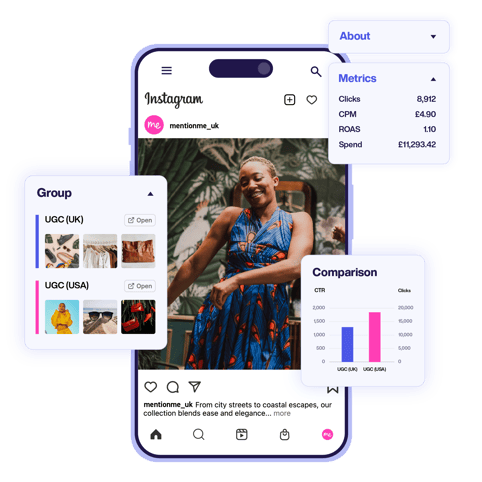
Authentic word-of-mouth can help your brand drive organic growth in the AI world
7 ways AI influencer marketing can damage trust
While AI influencer marketing may seem like a shortcut to visibility and control, it comes with genuine risks that can undermine even the best brand reputation. Brands often overlook the subtler ways artificial personas can erode the trust that’s so essential to lasting customer relationships.
Below, we break down the key challenges in AI influencer marketing to watch out for, so you can spot the warning signs early and build strategies that protect both your brand and your community.
1. Perceived inauthenticity and ‘fake friends'
People can spot a fake. AI influencers often feel less genuine, less relatable. The moment an avatar claims to have a shared life experience or pretends at diversity they’ve never known, suspicion grows. Who wants to be ‘inspired’ by a story that never happened?
2. Higher brand blame when things go wrong
If an AI influencer posts something clumsy or off-colour, customers pin the blame directly on the brand. There’s no scapegoat to sack or “personal view” disclaimer. The buck stops at your door.
3. Deception and disclosure: when people find out it was AI
Synthetic faces can fool us at first glance. But if your followers later discover they’ve been engaging with something fake, and you didn’t make that clear, trust collapses. Overnight. All that goodwill? Gone.
4. AI-generated UGC that looks like real customers
Passing off AI-generated reviews, before-and-after pictures, or heartfelt testimonials as genuine user content crosses a line. When word gets out, suspicion spreads to everything you post. Not just the fakes.
5. Cultural and ethical blind spots in AI training data
AI learns from the internet, and the internet isn’t always sensitive. Bias, clumsy stereotypes and awkward moments creep in. The result? If an AI avatar says something offensive, everyone blames your brand for the tool you’ve chosen.
6. Eroding the human story behind the brand
Human connection comes from real life. Vulnerability. Messiness. Swap out people for AI-generated perfection, and your brand starts to feel cold and opportunistic. Who really wants to buy from a machine?
7. Perception that you're replacing humans
An avalanche of AI can look like you’re cutting out real creators, or side-lining workers. These days, that’s a reputation risk you can’t ignore. Communities may simply walk away.
Red flags that your AI influencer strategy is undermining trust
AI influencer marketing can work for some goals, but beware. The warning signs of a trust problem are easy to spot if you look.
- Comments that call out fakeness. Are people saying, “Is she even real?” or, “This looks so fake”? If so, your campaign may be missing the mark with genuine connection.
- A negative turn in sentiment. Compare your campaign against those fronted by real people. More sarcasm, more disbelief? Not a great sign.
- Superficial engagement. High views are nice. But if shares, saves and real replies remain low, your content may be missing the deeper interaction that drives loyalty. To get the best results, familiar yourself with the differences between customer Loyalty vs. customer retention.
- Customer survey results. If people tell you they feel uneasy, tricked or confused by AI content, pay attention. Transparency complaints are red flags.
- Worries inside your walls. If staff or creators worry about avatars taking over, stop and review your strategy. Your own people sense risk before the public does.
Spot these issues early and act quickly. A nimble response, with more transparency, can rescue your reputation before real damage is done.
When and how AI-generated content won't break trust
When done right and with clear boundaries, AI influencer marketing can make campaigns more creative, efficient, and accessible. But how do you use AI marketing without losing authenticity?
Keep AI in the background. It’s a brilliant tool for concepting, early mock-ups, or internal testing. Need to spark creative ideas in your content team? AI can help. Just don’t let it pretend to be a real customer.
If it’s public, say so. Put clear watermarks or captions on any AI content. Labels like 'AI-generated image' or 'Virtual influencer' aren’t just good practice – they signal respect for your audience’s trust.
Mix human stories and AI smarts. Use a hybrid model. Let real creators and customers tell your story, while AI supports with clever visuals or localised versions. AI can help, but it shouldn’t steal the spotlight.
Never fake real user stories. Passing off AI testimonials or user-generated content as genuine breaks trust instantly. Let real people speak for themselves.
When handled transparently and responsibly, AI can support your strategy, not sink it.
Best practices to protect brand trust in an AI-first world
Trust is earned, not guessed. Here’s your practical checklist for running safe, human-centred AI influencer marketing:
- Begin with values, not just technology. Decide what matters to your brand when it comes to AI for influencer marketing. For example, draw a hard line against ever using AI bodies or sensitive topics. Follow Aerie’s lead and focus on real people.
- Make disclosure a must. Put honesty first. Always flag when content uses AI or virtual avatars, whether on social or your website. Consistency builds trust.
- Keep humans at the centre. Let real people – your staff, your customers, and creators – be the face of your story. Use AI to enhance, never replace, what makes you uniquely human.
- Set up a review and escalation system. Don’t send AI content live without proper checks. Test for bias, sensitivity, and brand fit. Always have a way to take content down fast if something goes wrong.
- Track trust, not just clicks. Look beyond impressions and click rates. Monitor customer sentiment, repeat purchases, NPS and community health. When trust drops, take it seriously.
Working in an AI-first world isn’t about avoiding new tech. It’s about using it wisely and always putting human connection first.
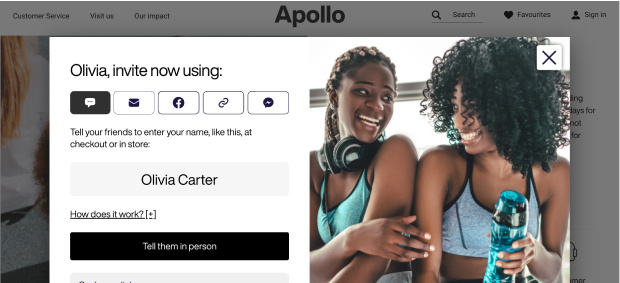 Referral marketing remains one of the most trusted channels by customers
Action checklist for CMOs and brand leaders
Time to get practical. You know the risks of AI influencer marketing, but where do you even start? Here’s a straightforward action plan for brands navigating the AI influencer world.- Audit everything. Look closely at your current campaigns. Where have AI influencers crept in? Are those synthetic faces just for mock-ups, or are they out there talking to your customers?
- Map your risk zones. Not all product categories are the same. Beauty, wellness, children’s brands are sensitive areas. Pinpoint where synthetic content could be especially damaging.
- Set firm non-negotiables and spell out where AI is welcome and where it’s off limits. Make policies so clear that your team never has to guess.
- Clearly mark any content touched by AI. Don’t try to slip it past customers hoping they won’t notice. They always do, sooner or later.
- Test and compare how engagement or trust differs between AI-led and human-led campaigns. If trust dips, act on that data fast.
- Educate everyone involved. It’s not just about your marketing team. Agencies, partners - even creators themselves - must understand what’s at stake.
- Review regularly because technology moves at lightning speed. What passes muster now might raise eyebrows next year. Make reviewing your policies a habit, not an afterthought.
Get these fundamentals right and you can enjoy the productivity of AI without losing your customers’ faith. Today, customers want to connect with brands on a human level, yet trust has never been more valuable. AI influencer marketing is here to stay, but the savviest marketers will be the ones who keep honesty, clarity and human connection at the centre of every campaign.
Ready to build a future-proof strategy and stay ahead of the competition in the world of AI? See how Mention Me combines technology with trust and human-powered content, and why the world’s most respected brands are taking notes. Get a free, no-obligation demo today.
FAQs
Is AI influencer marketing always bad for brand trust?
Not always, but the risks are real and significant. Used with care and total transparency, AI can serve certain roles behind the scenes. Problems start when brands try to pass off AI as real people.
Do consumers really trust humans more than artificial influencers?
They do. Most studies show real creators are perceived as more relatable, emotional, and authentic. If an AI influencer makes a mistake, trust falls faster, because people believe the brand is pulling all the strings.
Can I experiment with AI-generated UGC safely?
Only if you’re upfront about it. Never use AI to create fake customer reviews, before-and-after photos, or testimonials. Use it for drafts, concepts, and internal ideas—but keep “real” user content strictly human.
How should I disclose AI influencers or AI-generated content?
Be specific and clear. Caption images or videos with a statement like “Created by AI” or “Featuring a virtual influencer.” It builds trust and shows respect for your audience.
What are the signs AI influencer marketing is damaging trust?
Look for a drop in engagement, more negative comments, survey feedback showing confusion or unease, or comments questioning authenticity. If your most loyal customers start asking if something’s real, you’ve got a problem.
Dan Barraclough
Read more >
Share:





Share:
.png)
.png)
-1.png)